The first draft is a conversation with yourself
Nobody writes a good opening paragraph first. You write four bad ones and the fifth one tells you what the piece is actually about.
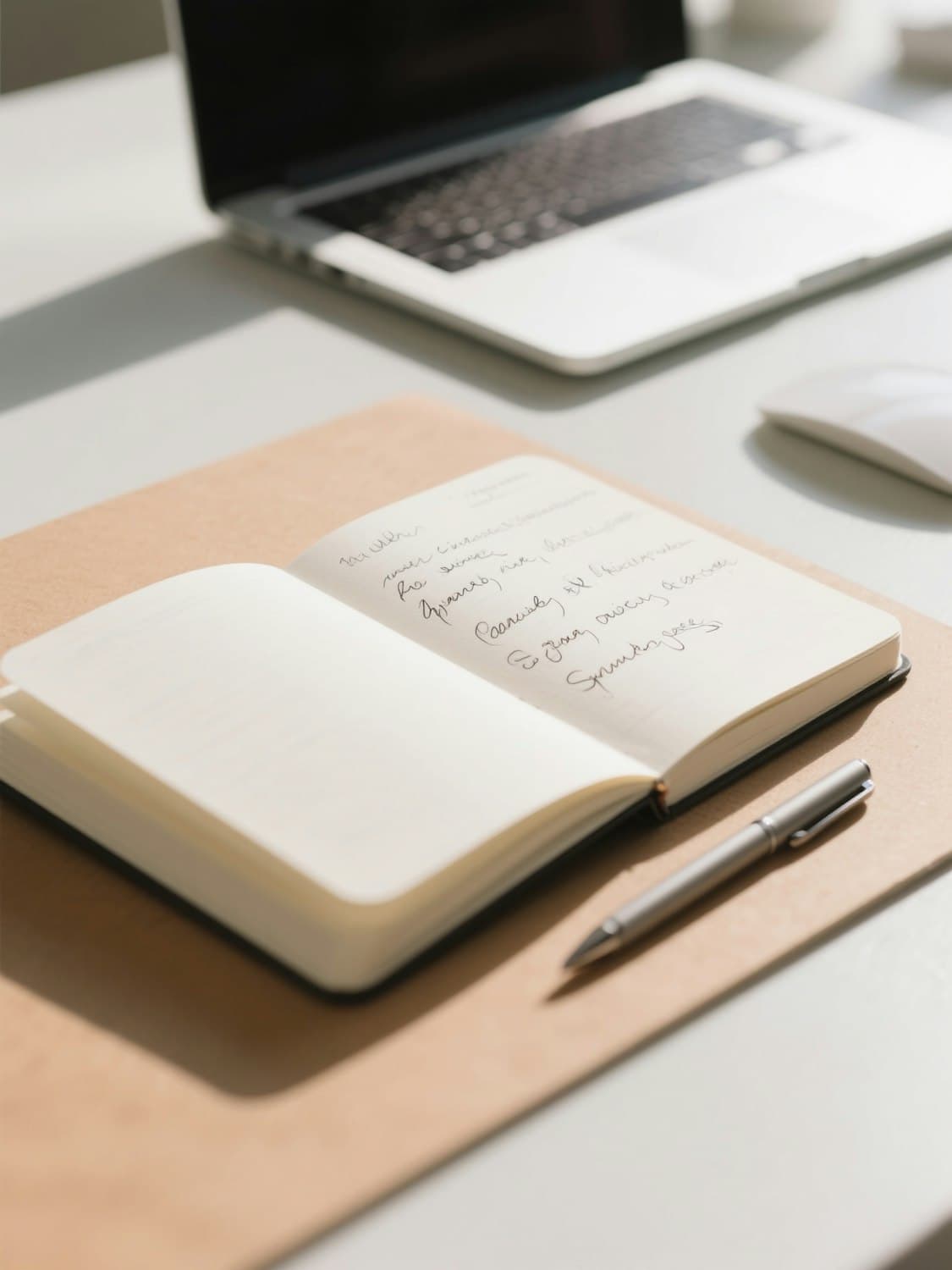
For years I treated the first draft as a performance. I would open a blank page, decide the opening sentence had to be right, and then spend an hour making sure it was. By the time the sentence was perfect, the afternoon was gone and I had eleven words.
What changed things was a small reframe: the first draft is not for the reader. It is a conversation with yourself, conducted on paper, where the goal is to find out what you actually think. Most of it is you asking questions and answering them badly until the real answer shows up.
Write past the part you like
The strongest signal that a draft is working is that you write something you did not plan to write. It usually arrives late, three quarters of the way down, after the tidy points are exhausted and you are improvising. That is the paragraph worth keeping. Everything above it was throat-clearing that got you there.
The first draft exists to be wrong in a useful direction.
So write past the part you like. When a sentence feels good, keep going instead of stopping to admire it. You can find it again tomorrow. What you cannot recover is the momentum you spent polishing something you might delete anyway.
Edit as a different person
The one rule I hold to now is that the writer and the editor never work the same shift. The writer is generous, fast and slightly reckless. The editor is cold and reads it a day later with a pencil. Trying to be both at once is why the blank page feels so heavy: you are asking one person to accelerate and brake at the same time.